Live Crypto Rates
BTC
—
—
ETH
—
—Updating…



In crypto, one of the easiest ways to lose money is not by buying a “bad token”…but by buying the wrong token. Scammers often create a...
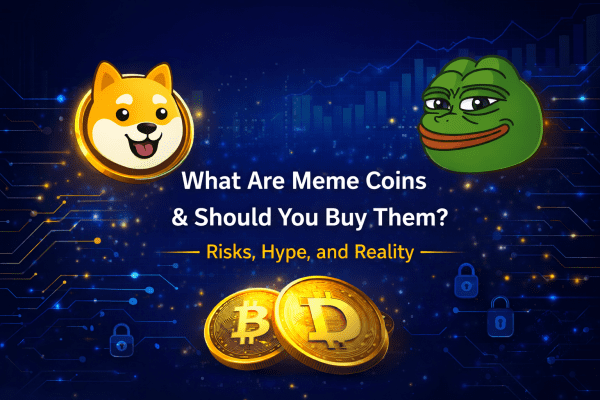


Meme coins are one of the most misunderstood parts of crypto. Some people treat them like a joke, others treat them like a “once in a...



Crypto is fast, exciting, and full of opportunity—but it’s also full of traps. New investors often lose money not because they are “stupid”, but because they...
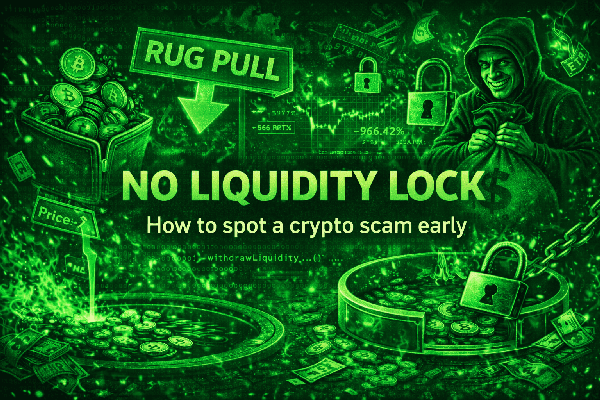


Liquidity is one of the most important things in crypto — and also one of the easiest things for scammers to abuse. A token can look...

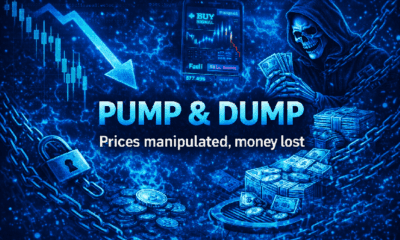

Pump & dump is one of the oldest financial manipulation schemes in history — and crypto made it faster, louder, and easier to execute. In traditional...



Crypto presales and launchpads can look like the easiest way to get rich: buy early, get a “huge discount,” and watch the token explode after listing....
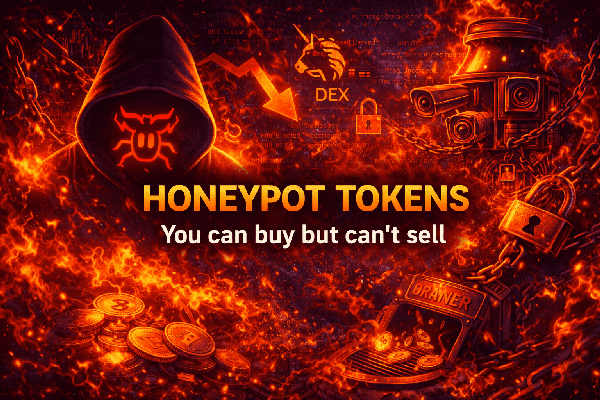

If you’ve ever seen a token that “pumped 300% in 20 minutes” and felt that urge to jump in before it’s too late, you’re not alone....
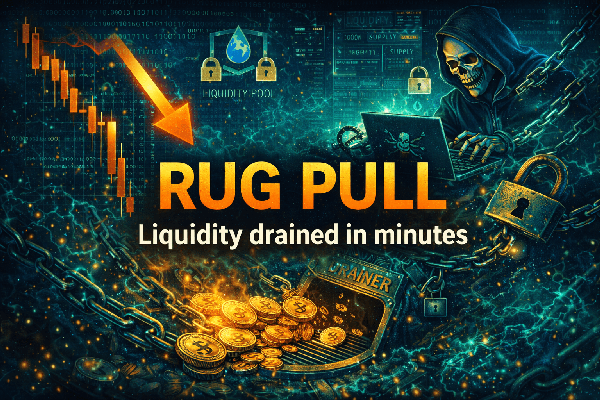

Rug Pull Explained: How Liquidity Scams Work in Crypto If you’ve spent even a few days in crypto, you’ve probably heard a scary sentence like: “The...
The “Security” category on Cryptomonetka is a place where you’ll find practical guides on how to protect your money, crypto wallets, and accounts. Here we cover the most common scam tactics in simple language — from rug pulls and honeypot tokens to fake exchanges, phishing websites, and other fraud schemes.
Crypto gives you freedom — but it also comes with full personal responsibility. If you send funds to the wrong address, connect your wallet to a malicious website, or buy a “trap token”, recovering your money is often impossible. That’s why security should be the first topic every beginner learns.
✅ If you don’t understand it — don’t buy it.
Missing an “opportunity” is always cheaper than losing your entire deposit.
In our articles you’ll find clear checklists and step-by-step actions: what to look for, where to verify, and which warning signs should immediately raise red flags.