
Live Crypto Rates
BTC
—
—
ETH
—
—Updating…
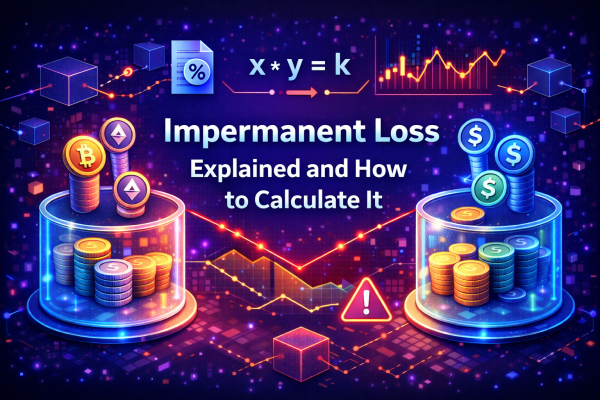

What Is Impermanent Loss? (liquidity pool risk, AMM mechanics, token price divergence) Impermanent loss (IL) is the difference in value between: When the price of one...
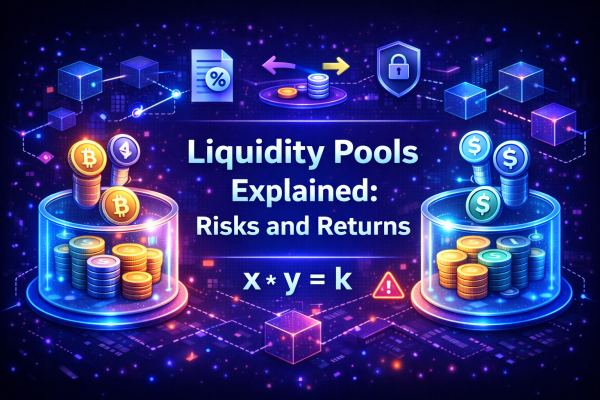

What Is a Liquidity Pool? (decentralized exchange, AMM model, automated market maker) A liquidity pool is a smart contract that holds two tokens and allows users...

What Is DeFi in Simple Terms (decentralized finance, smart contracts, blockchain protocols) DeFi stands for Decentralized Finance. Instead of a bank managing: DeFi uses smart contracts...
DeFi — short for Decentralized Finance — is an ecosystem of financial applications built on blockchain networks.
Unlike traditional finance, DeFi operates:
without banks
without centralized intermediaries
through smart contracts
with full user custody
This allows users to:
lend crypto assets
borrow funds
provide liquidity
earn staking rewards
trade on decentralized exchanges
participate in yield strategies
However, DeFi is not risk-free.
Key risks include:
smart contract vulnerabilities
protocol exploits
rug pulls
impermanent loss
liquidation risks
token inflation
In this category, you’ll find:
in-depth protocol reviews
DeFi risk analysis
beginner-friendly guides
advanced yield strategies
smart contract security breakdowns
DeFi offers high flexibility and potentially high returns — but requires understanding and responsibility.